



Australia’s mining, energy, infrastructure, and manufacturing sectors rely heavily on skilled professionals to keep equipment, buildings, and critical assets safe. Non-destructive testing (NDT) technicians play an essential role by identifying defects before they become costly or dangerous failures, making them valuable across many Australian industries. As investment in infrastructure and resources continues, qualified NDT technicians remain highly sought after by many employers. If you’re an overseas NDT professional considering a move to Australia, understanding your occupation, employment opportunities, and available visa pathways is the first step. This guide explains what NDT technicians do, where demand exists, and the visa options that may help you build a career and work towards permanent residency in Australia.
What Is a Non-Destructive Testing (NDT) Technician?
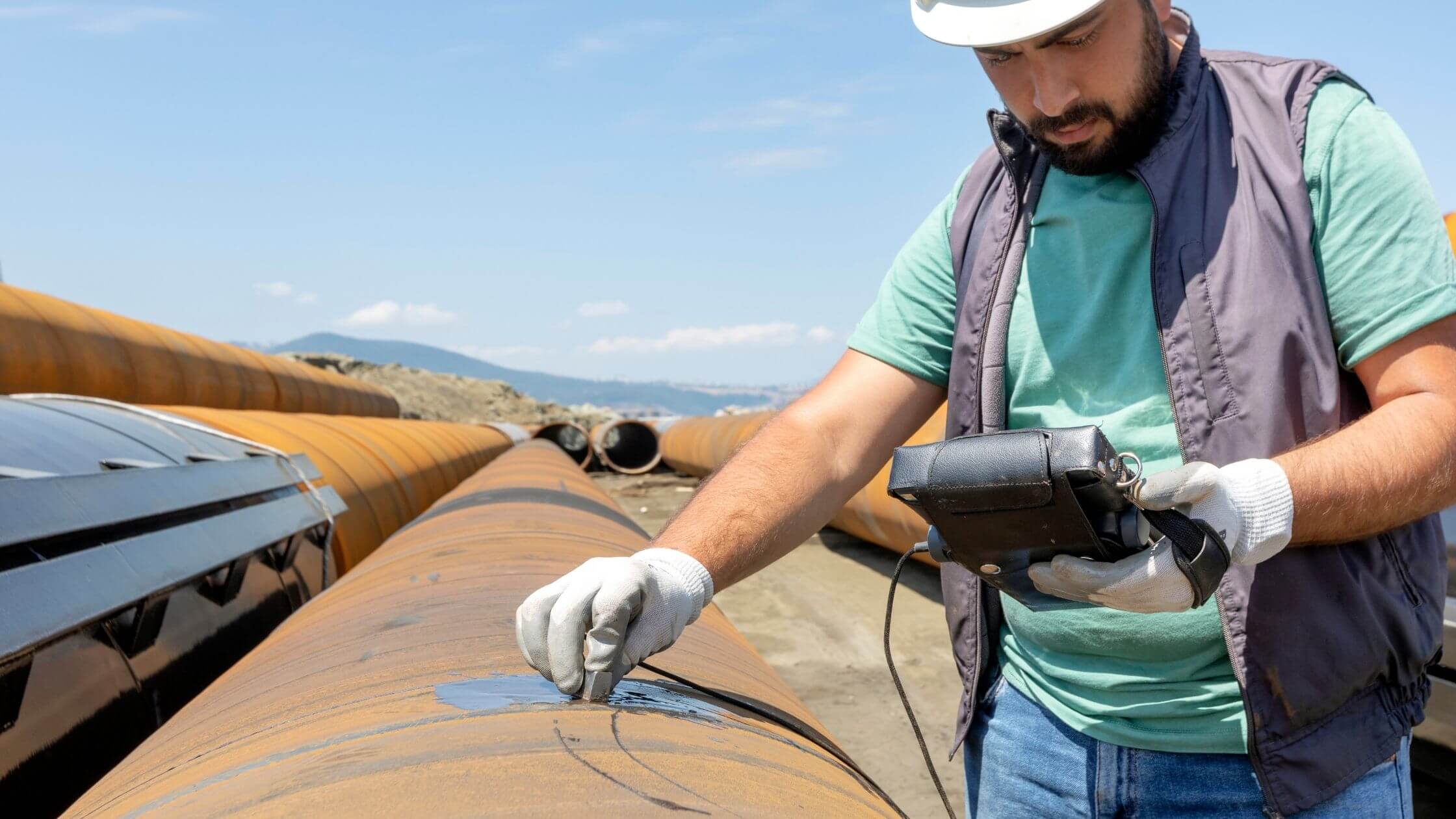
A non-destructive testing (NDT) technician inspects materials, components, machinery, and structures for defects without causing damage to the item being tested. Their work helps maintain safety, prevent equipment failure, and ensure compliance with industry standards across a wide range of sectors.
NDT technicians use specialised testing methods depending on the material and inspection requirements. Common techniques include:
- Ultrasonic Testing (UT)
- Radiographic Testing (RT)
- Magnetic Particle Testing (MT)
- Dye Penetrant Testing (PT)
- Eddy Current Testing (ET)
These professionals work in industries such as mining, oil and gas, construction, manufacturing, aerospace, transport, and infrastructure maintenance. Because the role requires specialised technical knowledge, employers typically expect technicians to hold recognised certifications such as ASNT or AINDT certification levels. These qualifications may also be relevant when completing a skills assessment for Australian migration purposes.
Is There Demand for NDT Technicians in Australia?
Australia has an ongoing need for qualified NDT technicians due to the country’s strong mining, resources, infrastructure, and energy industries. Equipment inspections, asset maintenance, and quality assurance are essential across these sectors, creating opportunities for experienced inspection professionals.
Demand is particularly strong in Western Australia, where mining and other projects require ongoing testing and maintenance, and in Queensland, where mining and gas operations continue to grow. Construction, heavy engineering, manufacturing, and transport infrastructure projects also create demand nationwide.
The availability of skilled migration pathways depends on current skilled occupation lists, which can change over time. Prospective applicants should review the latest occupation lists and monitor updates from industry organisations such as the Australian Industry Group and relevant government agencies.
Visa Options for NDT Technicians Coming to Australia
Several Australian visa pathways may be available to overseas NDT technicians, depending on their qualifications, work experience, occupation classification, and whether they have employer support.
The most common options include:
- Skilled migration visas (Subclass 189, 190, and 491)
- Employer-sponsored visas, including the Subclass 482 Skills in Demand visa
The most suitable pathway depends on whether your occupation appears on the relevant skilled occupation list and whether an Australian employer is willing to sponsor your application.
Regardless of the pathway you choose, many applicants will need to complete a formal skills assessment to demonstrate that their qualifications and experience meet Australian standards before lodging their visa application.
Skilled Migration Pathways (189, 190, 491) for NDT Technicians
Australia’s General Skilled Migration program provides several points-tested visa options for eligible overseas workers.
The Subclass 189 Skilled Independent visa offers permanent residency without requiring employer sponsorship or state nomination, provided applicants receive sufficient points and are invited to apply.
The Subclass 190 Skilled Nominated visa also grants permanent residency but requires nomination from an Australian state or territory government.
The Subclass 491 Skilled Work Regional visa allows eligible applicants to live and work in designated regional areas before becoming eligible to apply for permanent residency through the Subclass 191 visa.
Depending on your qualifications and occupation classification, NDT professionals may qualify under occupations or another closely related occupation. A skills assessment through the relevant assessing authority, often Trades Recognition Australia (TRA), is generally required. Before submitting an Expression of Interest (EOI), applicants should confirm their occupation is currently eligible and calculate their points score.
Employer-Sponsored Visa (482 Visa) for NDT Technicians
Many Australian employers across mining, oil and gas, heavy industry, engineering, and construction recruit skilled overseas NDT technicians through the Subclass 482 Skills in Demand visa.
To qualify, the nominated occupation must be eligible under the relevant occupation list, and the sponsoring business must be an approved Australian sponsor. This pathway allows employers to address skill shortages by employing experienced overseas workers where suitable local candidates cannot be found.
Although the 482 visa is temporary, it can provide a pathway to permanent residency through the Subclass 186 Employer Nomination Scheme visa, provided both the employee and employer meet the relevant eligibility requirements. For many NDT technicians who already have a job offer from an Australian employer, employer sponsorship is one of the most practical migration pathways.

How to Become an NDT Technician in Australia as an Overseas Worker
If you’re planning to work as an NDT technician in Australia, following a structured process can improve your chances of a successful migration outcome.
The general steps include:
- Hold recognised NDT certification.
- Check whether your occupation appears on the current Australian skilled occupation list.
- Complete a skills assessment if your chosen visa pathway requires one.
- Secure a job offer from an Australian employer or pursue a skilled migration pathway independently.
- Lodge the appropriate visa application based on your circumstances and eligibility.
Obtaining professional migration advice early in the process can help ensure you select the most suitable pathway.
Pathway to Permanent Residency for NDT Technicians
Many overseas NDT technicians aim to build a long-term career in Australia by obtaining permanent residency.
One option is to apply directly through the skilled migration program using the Subclass 189 or Subclass 190 visa if you meet the occupation, points, and invitation requirements.
Alternatively, technicians who begin on a Subclass 482 employer-sponsored visa may later transition to permanent residency through the Subclass 186 Employer Nomination Scheme after satisfying the applicable employment and eligibility requirements.
Those who qualify for the Subclass 491 regional visa may become eligible for permanent residency through the Subclass 191 pathway after meeting residence and income requirements.
Your long-term migration prospects will depend on your nominated occupation, work experience, qualifications, certification, and the current skilled migration program. Some Australian states and territories actively nominate occupations that support the mining, resources, and infrastructure sectors, so it is worthwhile checking current state nomination requirements regularly.
Common FAQs About NDT Technician Visas in Australia
1. Can an NDT technician get a visa for Australia?
Yes. Qualified NDT technicians may be eligible for skilled migration or employer-sponsored visas depending on how their occupation is classified, whether it appears on the current skilled occupation list, and the outcome of any required skills assessment. Because every situation is different, it’s recommended that applicants seek advice from a registered migration agent before applying.
2. What is a non-destructive testing technician?
A non-destructive testing technician inspects equipment, structures, and materials for defects without damaging the item being tested. They use specialised techniques including ultrasonic testing, radiographic testing, magnetic particle testing, dye penetrant testing, and eddy current testing to identify flaws that could affect safety or performance.
3. Are NDT technicians in demand in Australia?
Yes. NDT technicians continue to be needed across Australia’s mining, oil and gas, manufacturing, construction, and infrastructure sectors. Demand is particularly strong in Western Australia and Queensland due to ongoing resource projects. Applicants should always check the latest skilled occupation and state nomination lists, as eligibility can change.
4. Can NDT technicians get PR in Australia?
Yes. Many NDT technicians can work towards permanent residency through Australia’s skilled migration program or by transitioning from an employer-sponsored visa such as the Subclass 482 to the Subclass 186. The most suitable pathway depends on your qualifications, work experience, occupation, and visa eligibility.
5. What does a technician visa involve in Australia?
There is no single Australian “technician visa.” Instead, technicians apply under visa programs that match their occupation and circumstances. Skilled migration visas and employer-sponsored visas, including the Subclass 482 Skills in Demand visa, are the most common options for qualified technicians seeking to work in Australia.
Get Expert Help With Your NDT Technician Visa Application
Australia offers excellent career opportunities for qualified NDT technicians across mining, oil and gas, infrastructure, manufacturing, and engineering. However, choosing the right visa pathway depends on several factors, including your occupation, qualifications, certification, work experience, skills assessment requirements, and whether you have an Australian employer willing to sponsor you. Understanding these requirements before applying can save valuable time and reduce the risk of costly mistakes. The experienced team at AVIE can assess your eligibility, explain your visa options, and help you navigate every stage of the migration process. Contact AVIE today to explore your NDT technician visa options and find the right pathway to working and living in Australia.