



Australia is one of the most attractive destinations in the world for skilled electrical engineers and Electrical and Instrumentation (E&I) technicians. With strong growth across mining, energy, infrastructure, and construction sectors, demand for qualified professionals remains consistently high.
For overseas workers, this demand creates a range of migration opportunities. Depending on your qualifications, experience, and whether you have employer support, you may be eligible for skilled migration or employer-sponsored visas.
This guide explores career opportunities for electrical engineers and E&I technicians in Australia, and breaks down the main visa pathways that can lead to permanent residency.
Demand for Electrical Engineers and E&I Technicians in Australia
Electrical engineering professionals are in strong demand across Australia, particularly in industries such as mining, oil and gas, renewable energy, infrastructure development, and large-scale construction projects. States such as Western Australia and Queensland continue to experience particularly high demand due to ongoing resource extraction and energy projects.
Key roles in demand include Electrical Engineer and Electrical and Instrumentation (E&I) Technician. These professionals are essential for designing, installing, maintaining, and troubleshooting electrical systems in complex industrial environments.
Australia’s long-term infrastructure pipeline, combined with significant investment in renewable energy and electrification projects, continues to drive sustained demand for skilled electrical workers. In some cases, electrical and instrumentation roles appear on Australia’s skilled occupation lists, although these lists are regularly updated and should always be checked before applying.
For skilled workers, this demand translates into strong employment opportunities and multiple migration pathways.
What Does an Electrical Engineer or E&I Technician Do?
An Electrical Engineer is responsible for designing, developing, and managing electrical systems across a wide range of industries. This can include power generation, building services, industrial systems, mining infrastructure, and renewable energy projects. Electrical engineers often oversee system performance, safety compliance, and technical design processes.
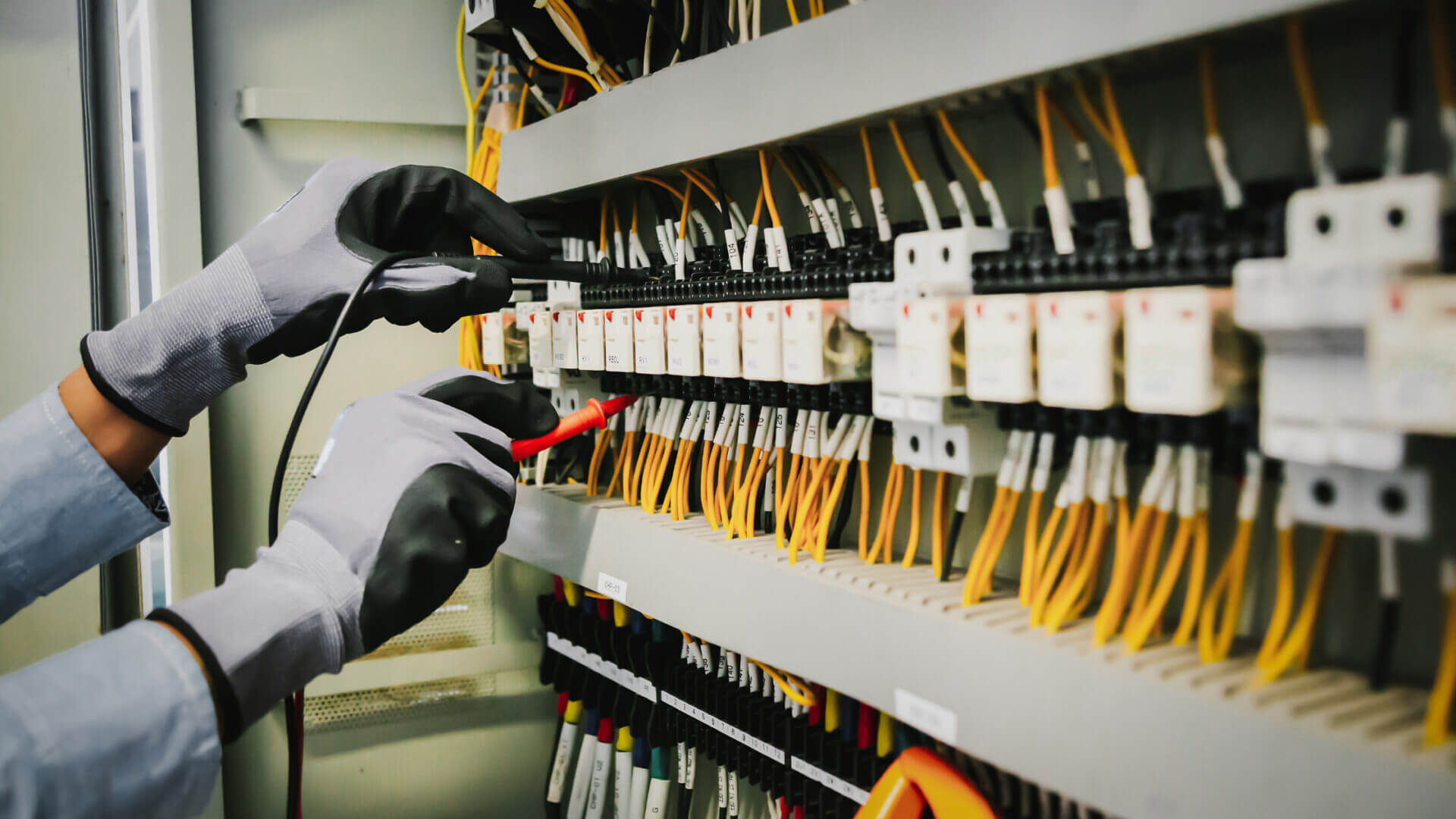
An Electrical and Instrumentation (E&I) Technician works more hands-on in industrial environments. Their role typically involves installing, maintaining, calibrating, and troubleshooting electrical and instrumentation systems. These systems are critical in industries such as mining, oil and gas, manufacturing, and processing plants.
E&I technicians often work closely with automation and process control systems, ensuring that complex industrial operations run safely and efficiently.
The key difference between the two roles is qualification level. Electrical engineers typically hold a university degree in engineering, while E&I technicians usually hold a trade qualification, diploma, or equivalent technical experience.
For overseas workers, understanding how to become an electrical engineering technician in Australia generally involves obtaining a relevant qualification and completing a formal skills assessment before applying for a visa.
Visa Options for Electrical Engineers in Australia
There are several visa pathways available for electrical engineers and E&I technicians looking to work in Australia.
The main options include:
- Skilled migration visas (subclass 189, 190, 491)
- Employer-sponsored visa (subclass 482 – Skills in Demand visa)
- National Innovation Visa (subclass 858) for highly skilled and internationally recognised professionals
Eligibility depends on a range of factors including occupation, qualifications, skills assessment outcome, English language ability, and whether an applicant has employer sponsorship or state nomination.
It is also important to note that engineers and technicians may fall under different occupation codes and assessing authorities. Ensuring the correct classification of your occupation is critical to a successful visa outcome.
Skilled Migration Pathways (189, 190, 491) for Electrical Engineers
Australia’s skilled migration program offers three key points-tested visa pathways for electrical engineers:
The Subclass 189 visa is a permanent residency visa that does not require employer or state sponsorship. It is highly competitive and invitation-based.
The Subclass 190 visa also provides permanent residency but requires nomination from an Australian state or territory government. Each state has its own eligibility criteria and occupation demand lists.
The Subclass 491 visa is a temporary regional visa that allows skilled workers to live and work in designated regional areas. It provides a pathway to permanent residency through the Subclass 191 visa after meeting residency and income requirements.
Electrical engineers are typically assessed by Engineers Australia, while technician roles may be assessed by Trades Recognition Australia (TRA) or another relevant assessing authority.
Common occupation codes include Electrical Engineer (ANZSCO 233311) and Electrical Engineering Technician (ANZSCO 312311).
Applicants should carefully calculate their points score and review state nomination opportunities before submitting an Expression of Interest (EOI), as invitation rounds are competitive and subject to change.
Employer-Sponsored Visa (482 Visa) for Electrical Engineers and E&I Technicians
The Subclass 482 Skills in Demand visa allows Australian employers to sponsor skilled workers to fill labour shortages in industries such as mining, construction, energy, and utilities.
Electrical engineers and E&I technicians may be eligible for sponsorship if their nominated occupation is listed on the relevant skilled occupation list and the employer can demonstrate genuine need for the role.
The 482 visa is a temporary visa; however, it can provide a pathway to permanent residency through the Subclass 186 Employer Nomination Scheme after the required period of employment and meeting eligibility criteria.
For many professionals, securing an electrical engineer visa in Australia through employer sponsorship is often the fastest and most direct route, particularly for those who already have a job offer or industry connections in Australia.
How to Become an Electrical Engineering Technician in Australia as an Overseas Worker
Overseas electrical or E&I technicians seeking to work in Australia generally need to follow a structured pathway.
The key steps include:
- Confirm your qualifications and experience match an Australian occupation code
- Complete a skills assessment through the relevant assessing authority
- Check whether your occupation is listed on Australia’s skilled occupation list
- Secure employer sponsorship or determine eligibility for skilled migration
- Lodge the appropriate visa application based on your pathway
Because requirements can vary depending on your exact occupation and experience, it is important to ensure your skills assessment aligns correctly with Australian standards before progressing.
Pathway to Permanent Residency for Electrical Engineers and E&I Technicians
There are several common pathways to permanent residency for electrical professionals in Australia.
Skilled migration pathways allow eligible applicants to apply directly for permanent residency through Subclass 189 or Subclass 190 visas, depending on their points score and nomination eligibility.
Employer-sponsored pathways allow workers to enter Australia on a Subclass 482 visa and transition to permanent residency through the Subclass 186 Employer Nomination Scheme after meeting required work experience conditions.
Regional pathways via the Subclass 491 visa provide another route to PR after living and working in a designated regional area and meeting income and residency requirements.
Overall, electrical engineers often have strong PR prospects due to consistent demand across key Australian industries. However, E&I technicians should always confirm their specific occupation classification and eligibility before committing to a migration pathway.
Professional advice is strongly recommended to ensure the correct visa stream is selected and to avoid delays or refusals.
Common FAQs About Electrical Engineer Visas in Australia
1. Can an electrical engineer get a visa for Australia?
Yes. Electrical engineers may be eligible for skilled migration or employer-sponsored visas. The exact visa depends on qualifications, work experience, occupation code, skills assessment, and whether the applicant has employer sponsorship or state nomination.
2. Are electrical engineers in demand in Australia?
Yes, electrical engineers are in strong demand across mining, energy, infrastructure, and renewable energy sectors. Demand varies by state, so applicants should regularly check skilled occupation lists and state nomination updates.
3. How do I become an E&I technician in Australia?
Overseas E&I technicians typically need to match their experience to an Australian occupation, complete a skills assessment, and apply for either employer sponsorship or a skilled migration visa. Requirements vary depending on the occupation.
4. What is an Electrical and Instrumentation Technician?
An E&I Technician installs, maintains, and repairs electrical and instrumentation systems in industrial environments such as mines, oil and gas facilities, and processing plants. The role combines electrical systems knowledge with process control expertise.
5. Can electrical engineers get PR in Australia?
Yes. Electrical engineers can obtain permanent residency through skilled migration pathways or by transitioning from an employer-sponsored visa. The best pathway depends on points score, occupation, and employer support.
Get Expert Help With Your Electrical Engineer Visa Application
Australia offers strong career and migration opportunities for electrical engineers and Electrical and Instrumentation technicians, with multiple pathways leading to permanent residency.
However, choosing the right visa pathway depends on correctly identifying your occupation, understanding your qualifications, and aligning your experience with Australia’s migration requirements.
Professional guidance can make a significant difference in the success of your application.
Contact AVIE today for expert advice on your electrical engineer visa Australia options and start planning your move.