



Australia is experiencing a strong demand for qualified electricians across residential, commercial, and infrastructure projects. From expanding housing developments to renewable energy projects and large-scale data centres, skilled electricians are essential to keep the nation’s economy moving.
For overseas electricians, Australia offers multiple pathways to work and live permanently, including skilled migration visas, state-nominated options, and employer-sponsored routes. However, becoming an electrician in Australia involves more than just experience—it requires skills assessment, licensing compliance, and understanding the right visa pathway.
This guide will cover how to become an electrician in Australia, the main visa pathways, employer sponsorship options such as the 482 visa, salary expectations, and opportunities in regional areas to help you plan your migration journey in 2026.
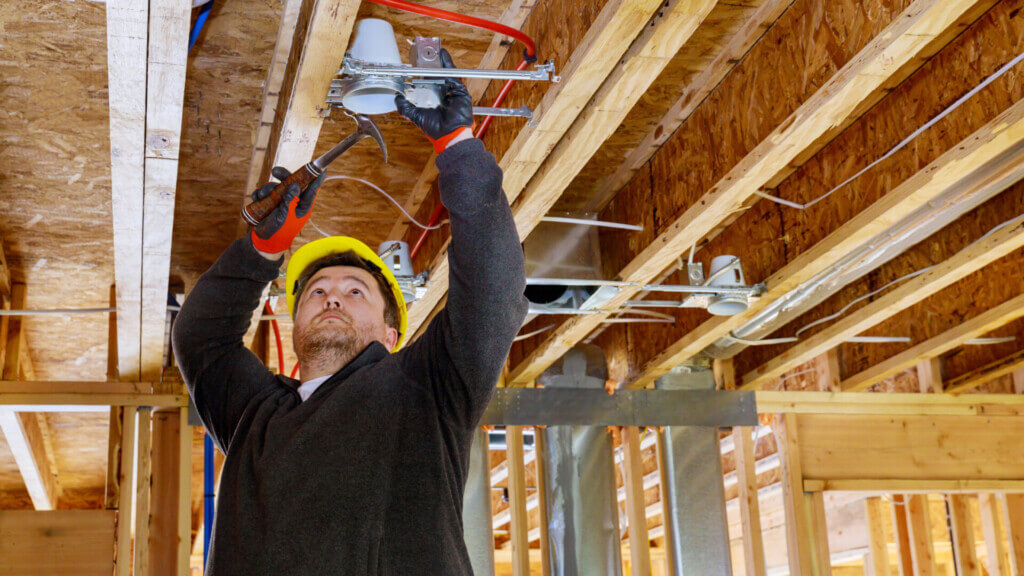
Are Electricians in Demand in Australia?
Australia currently faces a shortage of qualified electricians due to a combination of factors. Major infrastructure projects, housing growth, and expansion in renewable energy and data centres have increased the demand for skilled tradespeople. Meanwhile, the domestic workforce is ageing, leaving a gap in experienced electricians.
The occupation of electrician (ANZSCO 341111) is officially listed on Australia’s skilled occupation lists, making it eligible for skilled migration. This ensures overseas-trained electricians can contribute to meeting workforce demands.
Demand is strong not only in metropolitan hubs such as Sydney, Melbourne, and Brisbane but also in regional areas where new infrastructure, mining, and renewable projects are underway. For electricians willing to move to regional areas, there are often faster visa pathways, stronger sponsorship opportunities, and higher pay due to the remote nature of the work.
How to Become an Electrician in Australia
For overseas electricians, migrating to Australia requires formal recognition of qualifications and work experience. Skills assessment is a mandatory step, conducted through Trades Recognition Australia (TRA), to ensure your training and experience meet Australian standards.
Typical requirements for an overseas electrician include:
- A formal trade qualification or equivalent experience.
- Relevant work experience demonstrating competency in electrical work.
- English language proficiency sufficient to safely perform electrical tasks.
- Evidence of supervised electrical work, including commercial or residential projects.
Overseas electricians cannot immediately work unsupervised in Australia. Most states require completion of gap training or provisional/restricted licensing. This may include supervised employment under a licensed electrician while you complete additional assessment or practical training.
State-based licensing authorities regulate this process, and requirements vary slightly between jurisdictions. For example, in Queensland, electricians may need a provisional licence, whereas in Victoria, supervised work and gap training can differ depending on your prior qualifications.
The pathway ensures that all electricians, regardless of prior experience, are competent and safe in Australian workplaces. This combination of skills assessment, licensing, and supervised experience protects both workers and the public while giving migrants a clear route to permanent registration.
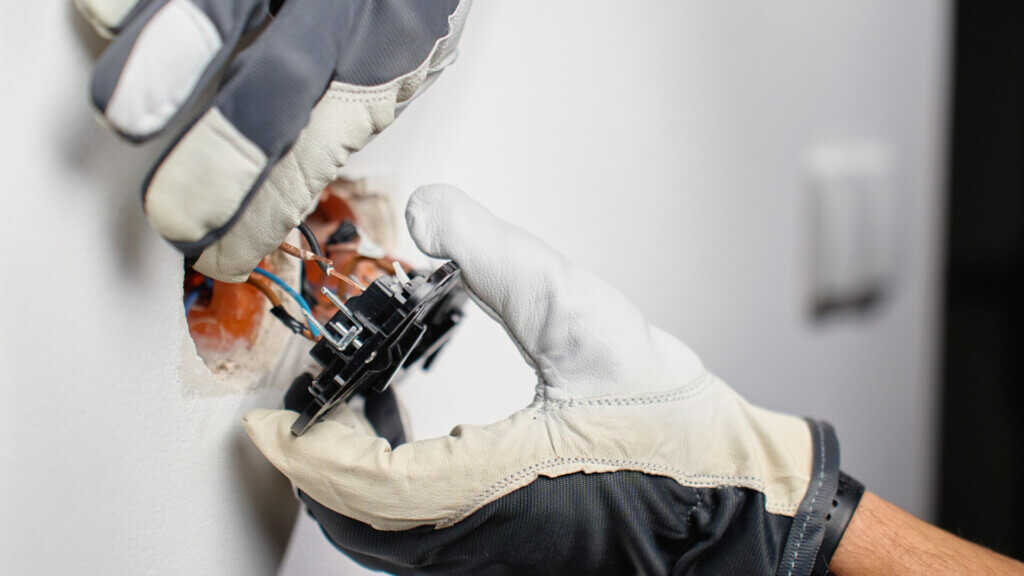
Electrician Visa Options & Skilled Migration Pathways
Overseas electricians have several skilled migration options to work and live in Australia. The main pathways include:
Subclass 189 – Skilled Independent Visa: A points-tested visa that does not require employer sponsorship. Electricians can apply if they meet point thresholds based on age, experience, and English proficiency. Competition for this visa is high, making points management essential.
Subclass 190 – Skilled Nominated Visa: Requires state or territory nomination, making it more accessible for electricians. States often prioritise trades facing skill shortages, and nomination boosts points for skilled migration applications.
Subclass 491 – Skilled Work Regional Visa: A temporary visa leading to permanent residency for those willing to live and work in regional areas. Regional migration pathways are often faster and offer lower point thresholds.
Eligibility criteria generally include age under 45, English proficiency, completion of a TRA skills assessment, and relevant work experience. Many electricians find state nomination or regional migration offers a more reliable pathway to secure a visa compared to competing for independent points-tested visas.
482 Visa Electrician: Employer Sponsorship Explained
Employer sponsorship is a common route for overseas electricians seeking faster entry into Australia.
Subclass 482 – Skills in Demand Visa: Allows electricians to work for an approved sponsoring employer. This visa requires evidence of skills, work experience, and English proficiency, as well as compliance with market salary rates. It is often the fastest pathway for qualified electricians to start working in Australia.
Subclass 186 – Employer Nomination Scheme (ENS): A permanent residency pathway for electricians who have held a 482 visa and meet other requirements. Employer sponsorship under the 186 stream can lead directly to permanent residency.
There is strong demand for sponsored electricians in regional areas, mining projects, large-scale construction, and infrastructure initiatives. Employers may assist with skills assessments, licensing guidance, and visa applications, providing a structured path for overseas tradespeople.
How Much Does an Electrician Get Paid in Australia?
Electrician wages vary depending on experience, sector, and location. Typical salary ranges include:
General electricians: AUD $75,000–$100,000+
Specialised or FIFO (fly-in fly-out) roles: AUD $110,000–$140,000+
Higher wages are often offered in mining, renewable energy, and remote projects, reflecting the skills required and location challenges. Over time, shift work, allowances, and unionised site benefits can further increase total income. Wages are competitive compared to other trades, reflecting the essential role electricians play in Australia’s economy.

Regional Electrician Jobs & Migration Incentives
Regional areas offer strong opportunities for electricians. Benefits include:
- Priority visa processing: Regional nominations often have faster timelines.
- Lower points thresholds: Makes it easier to meet skilled migration requirements.
- Faster pathways to PR: Subclass 491 regional visa can lead to permanent residency more quickly.
States and territories with high demand include Western Australia, Queensland, South Australia, and regional New South Wales. Regional projects in mining, energy, and civil infrastructure frequently sponsor overseas electricians, offering both employment and a pathway to permanent residency.
How AVIE Can Help With Your Electrician Visa Application
Australia’s demand for skilled electricians is expected to continue for years, creating opportunities for overseas-trained tradespeople. AVIE specialises in guiding electricians through the entire migration process, including:
Skills assessments through TRA to verify qualifications.
Visa strategy and employer-sponsored applications for 482 and 186 visas.
Permanent residency planning through state-nominated and regional pathways.
Working with AVIE ensures your electrician visa application is handled efficiently, reducing delays and maximising your chances of success. Speak with an AVIE migration specialist today to explore your electrician visa options and secure your future in Australia.