



Australia’s renewable energy industry is expanding rapidly, with solar power leading the way in the country’s transition to a cleaner energy future. This growth has created strong and ongoing demand for skilled solar panel technicians, solar installers, and related electrical specialists across the country.
For overseas workers, this demand presents a real opportunity to build a career in Australia while also exploring long-term migration options. Depending on your skills, qualifications, and experience, there are several visa pathways available — including employer sponsorship and skilled migration routes that can lead to permanent residency.
This guide explains the demand for solar technicians in Australia, outlines the main visa options available, and details how you can move from temporary work opportunities to permanent residency.
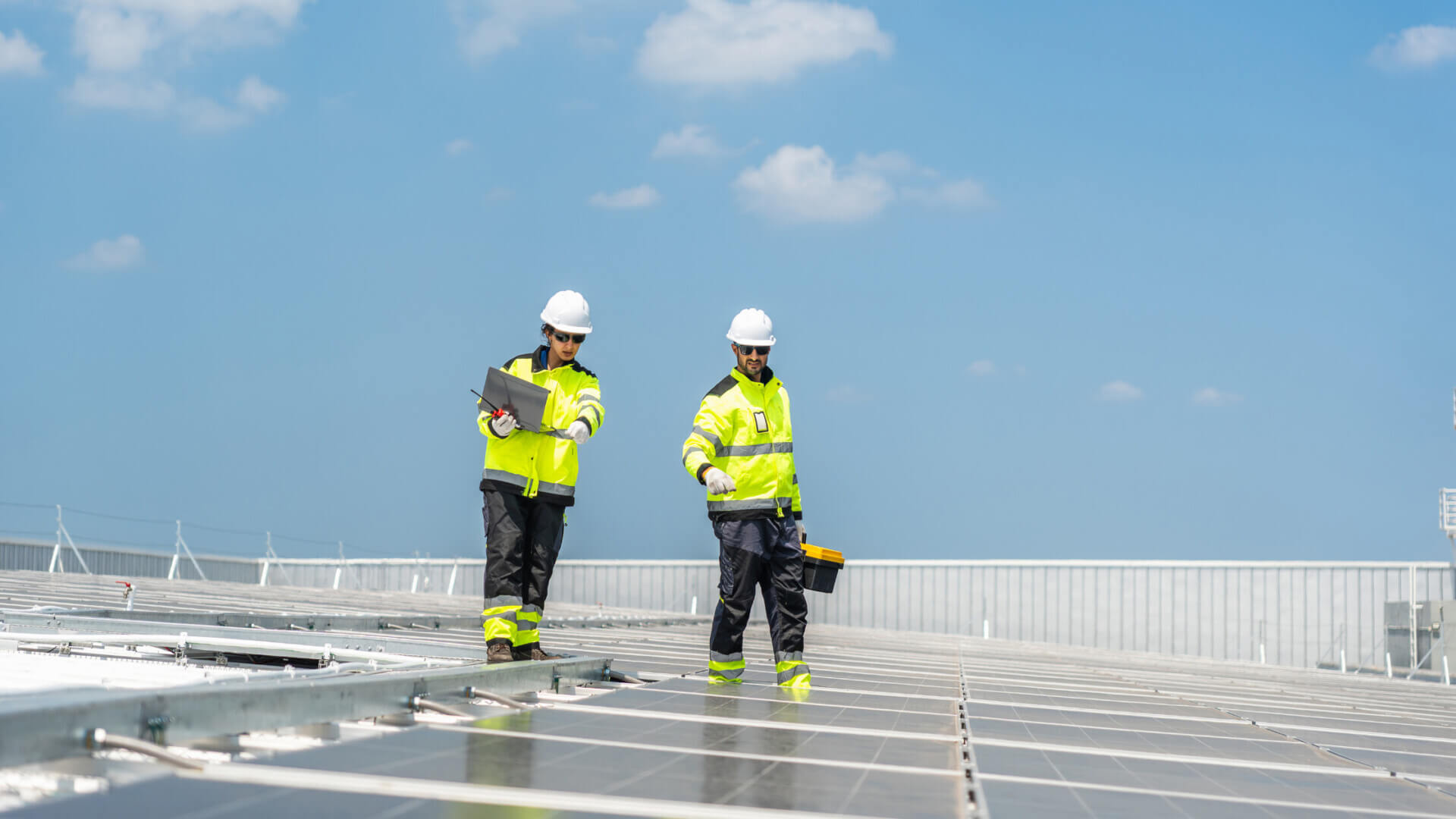
Demand for Solar Panel Technicians in Australia
Australia is undergoing one of the fastest renewable energy transitions in the world, with solar energy at the centre of this shift. Residential rooftops, large-scale solar farms, and commercial installations continue to grow across all states and territories.
Industry bodies such as the Clean Energy Council, along with government energy projections, consistently highlight strong demand for skilled workers in the solar sector. This demand is expected to continue as Australia works towards ambitious emissions reduction and renewable energy targets.
Key roles in demand include solar panel technicians, solar installers, and electrical technicians with solar experience. These workers are needed across residential installations, commercial solar projects, and large utility-scale solar farms.
With ongoing investment in clean energy infrastructure, solar panel technician jobs are widely available across both metropolitan and regional Australia, creating strong opportunities for overseas skilled workers.
What Does a Solar Panel Technician Do?
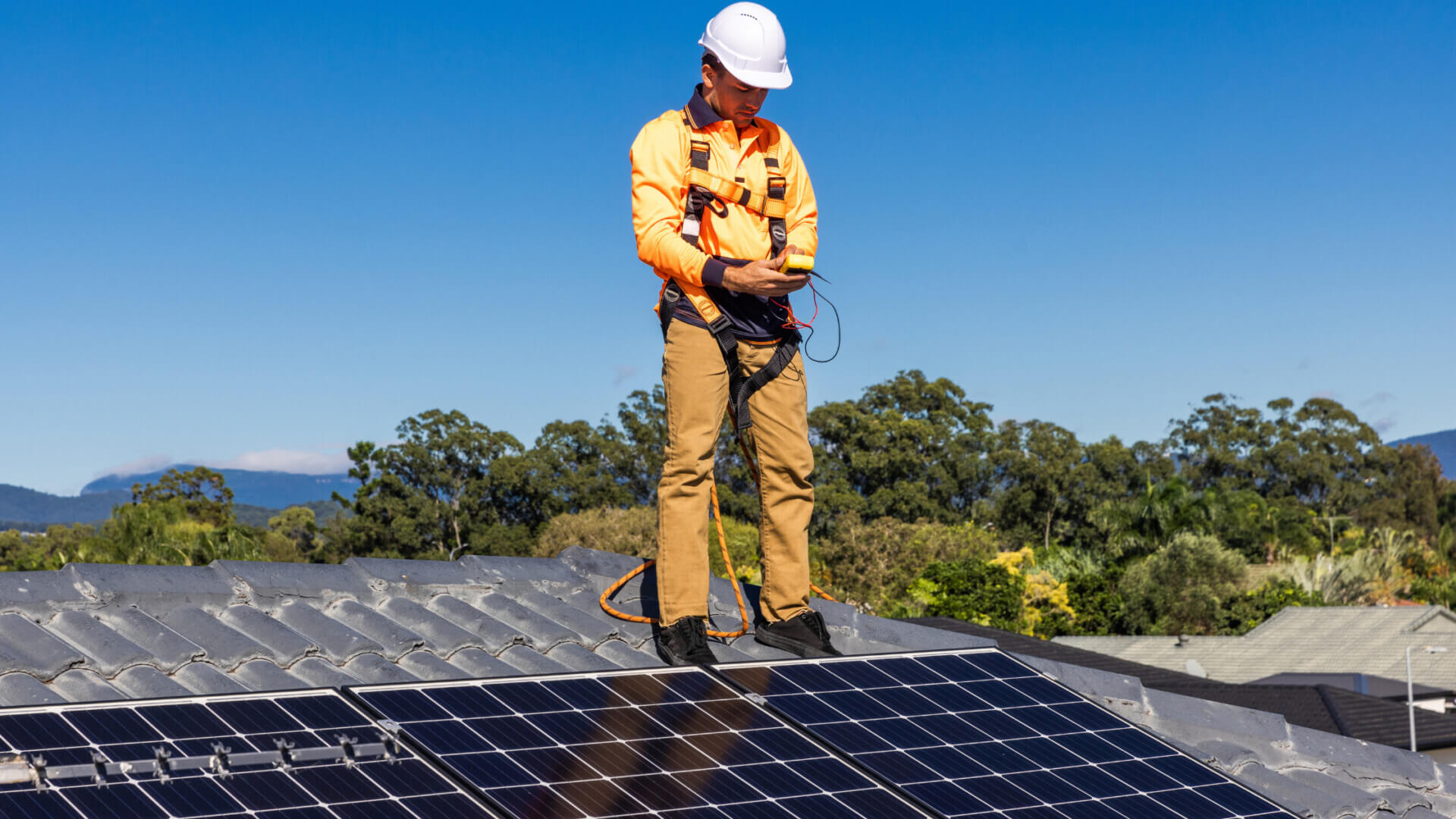
A solar panel technician is responsible for the installation, maintenance, repair, and troubleshooting of solar photovoltaic (PV) systems. These systems convert sunlight into electricity and are used in homes, businesses, and large-scale energy projects.
The role often involves working on rooftops, as well as ground-mounted solar installations, depending on the size and type of project. Safety is a major part of the job, particularly when working at heights and handling electrical components.
Typical responsibilities include installing solar panels, configuring inverters, testing system performance, and identifying faults or performance issues. Strong electrical knowledge is essential, along with compliance with workplace health and safety regulations.
Depending on the role, qualifications may vary. Some positions require a full electrical licence, while others may accept a Certificate III in Electrotechnology or equivalent trade qualification, particularly for installation-focused roles.
Visa Options for Solar Panel Technicians in Australia
There are several visa pathways available for solar panel technicians looking to work in Australia, depending on their experience and employment situation.
The main options include:
- Skilled migration visas (subclass 189, 190, 491)
- Employer-sponsored visa (subclass 482 – Skills in Demand visa)
- Global Talent Visa (subclass 858) for highly specialised professionals in priority sectors
Eligibility for each visa depends on a combination of factors including occupation classification, qualifications, work experience, skills assessment outcome, English language ability, and whether the applicant has employer sponsorship or state nomination.
Choosing the correct occupation code and visa pathway is critical, as solar-related roles may be assessed under different occupations depending on job duties and qualifications.
Skilled Migration Pathways (189, 190, 491) for Solar Technicians
Australia’s skilled migration system includes three key points-tested visa options for eligible solar technicians.
The Subclass 189 visa is a permanent residency visa that does not require employer or state sponsorship. It is invitation-based and highly competitive.
The Subclass 190 visa also provides permanent residency but requires nomination from an Australian state or territory government. Each state has its own occupation lists and selection criteria.
The Subclass 491 visa is a temporary regional visa that allows skilled workers to live and work in designated regional areas. It provides a pathway to permanent residency through the Subclass 191 visa once income and residency requirements are met.
Solar panel technicians may qualify under related occupations such as Electrician (General), Electrical Technician, or Refrigeration and Air Conditioning Mechanic, depending on their specific duties and skills assessment outcome.
A formal skills assessment through the relevant assessing authority, such as Trades Recognition Australia (TRA), is typically required before applying.
Employer-Sponsored Visa Options (482 Visa) for Solar Panel Technicians
The Subclass 482 Skills in Demand visa allows Australian employers to sponsor overseas workers to fill labour shortages in the renewable energy and electrical industries.
Solar installation companies, electrical contractors, and renewable energy providers may sponsor qualified solar technicians where there is a genuine need for skilled labour and the occupation appears on the relevant skilled occupation list.
This visa is temporary, but it can provide a clear pathway to permanent residency through the Subclass 186 Employer Nomination Scheme after meeting required work experience and eligibility criteria.
For many workers, a solar installer visa through employer sponsorship is one of the most accessible pathways, especially when they already have a job offer or industry experience in demand.
National Innovation Visa (Subclass 858) for Solar Energy Professionals
The Subclass 858 National Innovation Visa is designed for highly skilled and internationally recognised professionals in priority sectors, including renewable energy and clean technology.
This pathway is typically aimed at senior professionals, specialists, researchers, or industry leaders rather than entry-level technicians or general installers.
Applicants must demonstrate exceptional achievement, such as a strong track record of innovation, leadership, or internationally recognised expertise in their field.
For most solar panel technicians, this visa may not be the primary pathway. However, those with advanced expertise or leadership roles in renewable energy innovation may be eligible.
If you are unsure whether you meet the criteria, it is recommended to seek a professional assessment from AVIE.
Pathway to Permanent Residency for Solar Panel Technicians
There are several common pathways to permanent residency for solar panel technicians in Australia.
The first is skilled migration, where eligible applicants can apply directly for Subclass 189 or Subclass 190 visas based on their occupation, points score, and nomination eligibility.
The second is employer-sponsored migration, where workers enter Australia on a Subclass 482 visa and later transition to permanent residency through the Subclass 186 Employer Nomination Scheme after meeting work experience requirements.
The third is the regional pathway, where workers enter on a Subclass 491 visa and later apply for permanent residency through Subclass 191 after meeting income and residency conditions.
Overall, PR prospects for solar technicians are strong due to Australia’s continued investment in renewable energy infrastructure. However, applicants must ensure their occupation is correctly classified and that they meet eligibility requirements before applying.
How to Apply for a Visa as a Solar Panel Technician
The general process for applying for a visa as a solar panel technician includes several key steps:
- Identify the correct occupation on Australia’s skilled occupation list
- Complete a skills assessment through the relevant assessing authority
- Check eligibility and calculate your points score (for skilled migration pathways)
- Submit an Expression of Interest (EOI) via SkillSelect or secure employer sponsorship
- Lodge your visa application once invited or nominated
Because each pathway has different requirements, choosing the correct visa strategy early is essential to avoid delays or refusals.
Common FAQs About Solar Panel Technician Visas
1. Can a solar panel technician get a visa for Australia?
Yes. Solar panel technicians may be eligible for several Australian visa pathways depending on their occupation, qualifications, and experience. Eligibility must be confirmed based on the correct occupation classification and visa requirements.
2. Are solar panel technician jobs in demand in Australia?
Yes, demand is strong and growing due to Australia’s rapid expansion of residential and utility-scale solar projects. Renewable energy targets continue to drive job creation across the sector.
3. Can solar panel technicians get PR in Australia?
Yes. Permanent residency may be achieved through skilled migration visas or by transitioning from employer-sponsored visas. The exact pathway depends on eligibility and visa subclass.
4. What visa is best for a solar installer coming to Australia?
It depends on your circumstances. The 482 visa suits those with employer sponsorship, while skilled migration visas are suitable for applicants who meet points-based requirements without an employer.
Get Expert Help With Your Solar Panel Technician Visa
Australia’s solar energy industry continues to grow, creating strong opportunities for skilled solar panel technicians and installers from around the world. With multiple visa pathways available, there are real prospects for both short-term work and long-term permanent residency.
However, choosing the right visa pathway depends on your occupation classification, qualifications, experience, and long-term migration goals. Getting the strategy right from the beginning is essential.
Contact AVIE today to explore your solar panel technician visa options and start your journey to living and working in Australia.