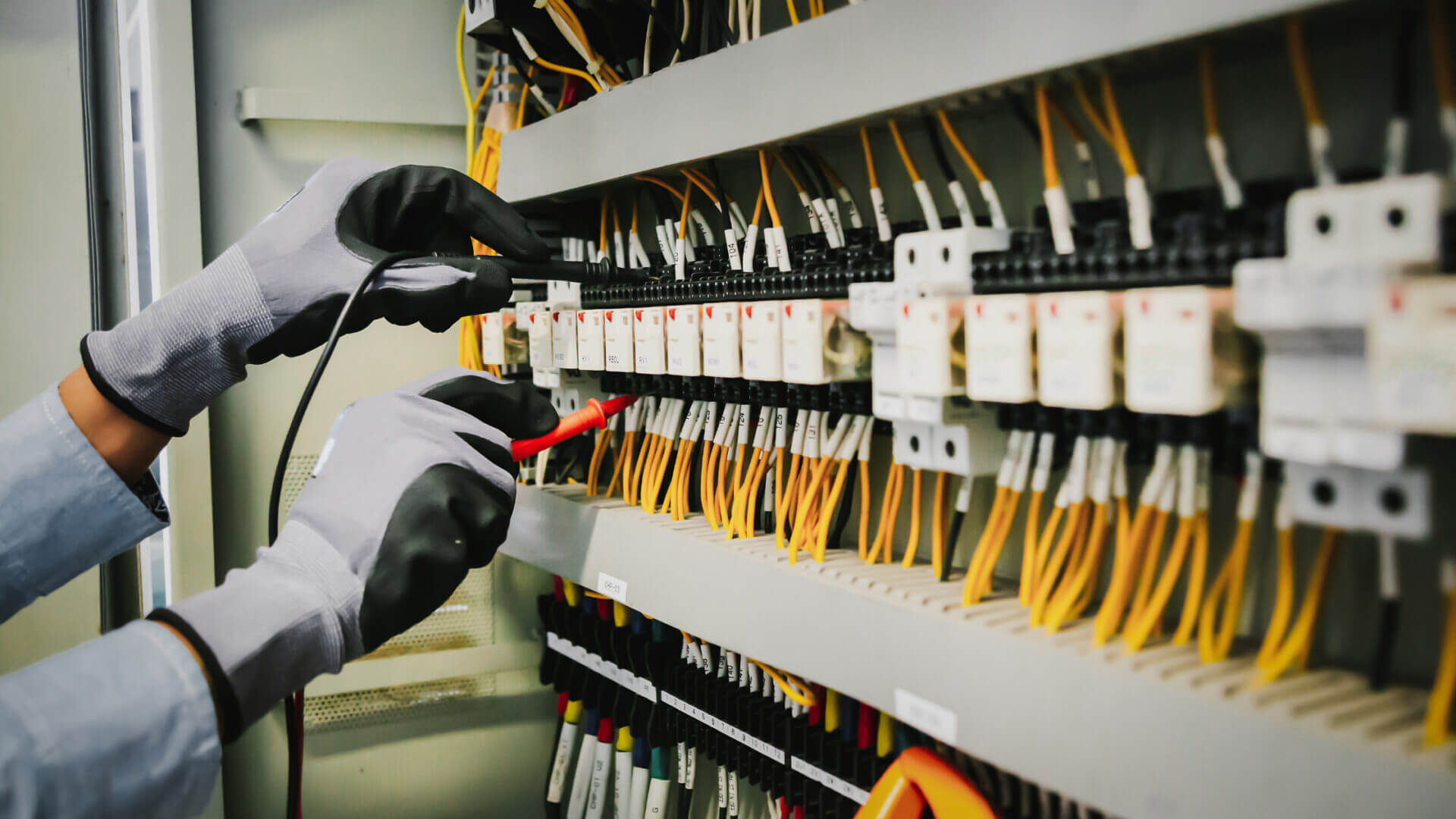
Visa Options for NDT Technicians in Australia: Working & Pathways to PR

Australia’s mining, energy, infrastructure, and manufacturing sectors rely heavily on skilled professionals to keep equipment, buildings, and critical assets safe. Non-destructive testing (NDT) technicians play an essential role by identifying defects before they become costly or dangerous failures, making them valuable across many Australian industries. As investment in infrastructure and resources continues, qualified NDT technicians remain highly sought after by many employers. If you’re an overseas NDT professional considering a move to Australia, understanding your occupation, employment opportunities, and available visa pathways is the first step. This guide explains what NDT technicians do, where demand exists, and the visa options that may help you build a career and work towards permanent residency in Australia.

What Is a Non-Destructive Testing (NDT) Technician?

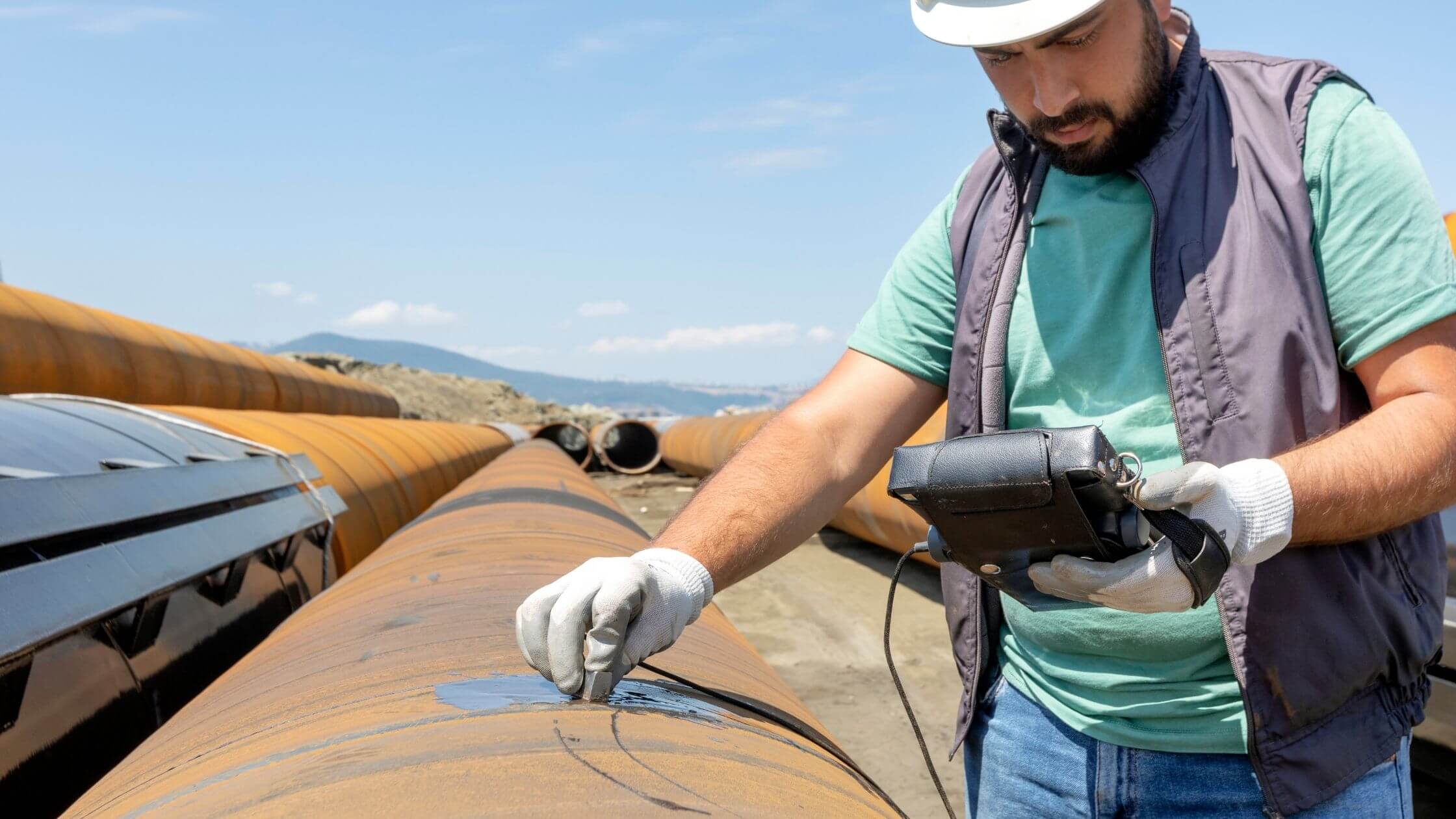
A non-destructive testing (NDT) technician inspects materials, components, machinery, and structures for defects without causing damage to the item being tested. Their work helps maintain safety, prevent equipment failure, and ensure compliance with industry standards across a wide range of sectors.

NDT technicians use specialised testing methods depending on the material and inspection requirements. Common techniques include:

  • Ultrasonic Testing (UT)
  • Radiographic Testing (RT)
  • Magnetic Particle Testing (MT)
  • Dye Penetrant Testing (PT)
  • Eddy Current Testing (ET)

These professionals work in industries such as mining, oil and gas, construction, manufacturing, aerospace, transport, and infrastructure maintenance. Because the role requires specialised technical knowledge, employers typically expect technicians to hold recognised certifications such as ASNT or AINDT certification levels. These qualifications may also be relevant when completing a skills assessment for Australian migration purposes.
Is There Demand for NDT Technicians in Australia?

Australia has an ongoing need for qualified NDT technicians due to the country’s strong mining, resources, infrastructure, and energy industries. Equipment inspections, asset maintenance, and quality assurance are essential across these sectors, creating opportunities for experienced inspection professionals.

Demand is particularly strong in Western Australia, where mining and other projects require ongoing testing and maintenance, and in Queensland, where mining and gas operations continue to grow. Construction, heavy engineering, manufacturing, and transport infrastructure projects also create demand nationwide.

The availability of skilled migration pathways depends on current skilled occupation lists, which can change over time. Prospective applicants should review the latest occupation lists and monitor updates from industry organisations such as the Australian Industry Group and relevant government agencies.

Visa Options for NDT Technicians Coming to Australia

Several Australian visa pathways may be available to overseas NDT technicians, depending on their qualifications, work experience, occupation classification, and whether they have employer support.

The most common options include:

The most suitable pathway depends on whether your occupation appears on the relevant skilled occupation list and whether an Australian employer is willing to sponsor your application.

Regardless of the pathway you choose, many applicants will need to complete a formal skills assessment to demonstrate that their qualifications and experience meet Australian standards before lodging their visa application.

Skilled Migration Pathways (189, 190, 491) for NDT Technicians

Australia’s General Skilled Migration program provides several points-tested visa options for eligible overseas workers.

The Subclass 189 Skilled Independent visa offers permanent residency without requiring employer sponsorship or state nomination, provided applicants receive sufficient points and are invited to apply.

The Subclass 190 Skilled Nominated visa also grants permanent residency but requires nomination from an Australian state or territory government.

The Subclass 491 Skilled Work Regional visa allows eligible applicants to live and work in designated regional areas before becoming eligible to apply for permanent residency through the Subclass 191 visa.

Depending on your qualifications and occupation classification, NDT professionals may qualify under occupations or another closely related occupation. A skills assessment through the relevant assessing authority, often Trades Recognition Australia (TRA), is generally required. Before submitting an Expression of Interest (EOI), applicants should confirm their occupation is currently eligible and calculate their points score.

Employer-Sponsored Visa (482 Visa) for NDT Technicians

Many Australian employers across mining, oil and gas, heavy industry, engineering, and construction recruit skilled overseas NDT technicians through the Subclass 482 Skills in Demand visa.

To qualify, the nominated occupation must be eligible under the relevant occupation list, and the sponsoring business must be an approved Australian sponsor. This pathway allows employers to address skill shortages by employing experienced overseas workers where suitable local candidates cannot be found.

Although the 482 visa is temporary, it can provide a pathway to permanent residency through the Subclass 186 Employer Nomination Scheme visa, provided both the employee and employer meet the relevant eligibility requirements. For many NDT technicians who already have a job offer from an Australian employer, employer sponsorship is one of the most practical migration pathways.

How to Become an NDT Technician in Australia as an Overseas Worker

If you’re planning to work as an NDT technician in Australia, following a structured process can improve your chances of a successful migration outcome.

The general steps include:

  1. Hold recognised NDT certification.
  2. Check whether your occupation appears on the current Australian skilled occupation list.
  3. Complete a skills assessment if your chosen visa pathway requires one.
  4. Secure a job offer from an Australian employer or pursue a skilled migration pathway independently.
  5. Lodge the appropriate visa application based on your circumstances and eligibility.

Obtaining professional migration advice early in the process can help ensure you select the most suitable pathway.

Pathway to Permanent Residency for NDT Technicians

Many overseas NDT technicians aim to build a long-term career in Australia by obtaining permanent residency.

One option is to apply directly through the skilled migration program using the Subclass 189 or Subclass 190 visa if you meet the occupation, points, and invitation requirements.

Alternatively, technicians who begin on a Subclass 482 employer-sponsored visa may later transition to permanent residency through the Subclass 186 Employer Nomination Scheme after satisfying the applicable employment and eligibility requirements.

Those who qualify for the Subclass 491 regional visa may become eligible for permanent residency through the Subclass 191 pathway after meeting residence and income requirements.

Your long-term migration prospects will depend on your nominated occupation, work experience, qualifications, certification, and the current skilled migration program. Some Australian states and territories actively nominate occupations that support the mining, resources, and infrastructure sectors, so it is worthwhile checking current state nomination requirements regularly.

Common FAQs About NDT Technician Visas in Australia

1. Can an NDT technician get a visa for Australia?

Yes. Qualified NDT technicians may be eligible for skilled migration or employer-sponsored visas depending on how their occupation is classified, whether it appears on the current skilled occupation list, and the outcome of any required skills assessment. Because every situation is different, it’s recommended that applicants seek advice from a registered migration agent before applying.

2. What is a non-destructive testing technician?

A non-destructive testing technician inspects equipment, structures, and materials for defects without damaging the item being tested. They use specialised techniques including ultrasonic testing, radiographic testing, magnetic particle testing, dye penetrant testing, and eddy current testing to identify flaws that could affect safety or performance.

3. Are NDT technicians in demand in Australia?

Yes. NDT technicians continue to be needed across Australia’s mining, oil and gas, manufacturing, construction, and infrastructure sectors. Demand is particularly strong in Western Australia and Queensland due to ongoing resource projects. Applicants should always check the latest skilled occupation and state nomination lists, as eligibility can change.

4. Can NDT technicians get PR in Australia?

Yes. Many NDT technicians can work towards permanent residency through Australia’s skilled migration program or by transitioning from an employer-sponsored visa such as the Subclass 482 to the Subclass 186. The most suitable pathway depends on your qualifications, work experience, occupation, and visa eligibility.

5. What does a technician visa involve in Australia?

There is no single Australian “technician visa.” Instead, technicians apply under visa programs that match their occupation and circumstances. Skilled migration visas and employer-sponsored visas, including the Subclass 482 Skills in Demand visa, are the most common options for qualified technicians seeking to work in Australia.

Get Expert Help With Your NDT Technician Visa Application

Australia offers excellent career opportunities for qualified NDT technicians across mining, oil and gas, infrastructure, manufacturing, and engineering. However, choosing the right visa pathway depends on several factors, including your occupation, qualifications, certification, work experience, skills assessment requirements, and whether you have an Australian employer willing to sponsor you. Understanding these requirements before applying can save valuable time and reduce the risk of costly mistakes. The experienced team at AVIE can assess your eligibility, explain your visa options, and help you navigate every stage of the migration process. Contact AVIE today to explore your NDT technician visa options and find the right pathway to working and living in Australia.


Solar Panel Technician – Opportunities in Australia & Visa Options

Australia’s renewable energy industry is expanding rapidly, with solar power leading the way in the country’s transition to a cleaner energy future. This growth has created strong and ongoing demand for skilled solar panel technicians, solar installers, and related electrical specialists across the country.

For overseas workers, this demand presents a real opportunity to build a career in Australia while also exploring long-term migration options. Depending on your skills, qualifications, and experience, there are several visa pathways available — including employer sponsorship and skilled migration routes that can lead to permanent residency.

This guide explains the demand for solar technicians in Australia, outlines the main visa options available, and details how you can move from temporary work opportunities to permanent residency.

Demand for Solar Panel Technicians in Australia

Australia is undergoing one of the fastest renewable energy transitions in the world, with solar energy at the centre of this shift. Residential rooftops, large-scale solar farms, and commercial installations continue to grow across all states and territories.

Industry bodies such as the Clean Energy Council, along with government energy projections, consistently highlight strong demand for skilled workers in the solar sector. This demand is expected to continue as Australia works towards ambitious emissions reduction and renewable energy targets.

Key roles in demand include solar panel technicians, solar installers, and electrical technicians with solar experience. These workers are needed across residential installations, commercial solar projects, and large utility-scale solar farms.

With ongoing investment in clean energy infrastructure, solar panel technician jobs are widely available across both metropolitan and regional Australia, creating strong opportunities for overseas skilled workers.

What Does a Solar Panel Technician Do?

A solar panel technician is responsible for the installation, maintenance, repair, and troubleshooting of solar photovoltaic (PV) systems. These systems convert sunlight into electricity and are used in homes, businesses, and large-scale energy projects.

The role often involves working on rooftops, as well as ground-mounted solar installations, depending on the size and type of project. Safety is a major part of the job, particularly when working at heights and handling electrical components.

Typical responsibilities include installing solar panels, configuring inverters, testing system performance, and identifying faults or performance issues. Strong electrical knowledge is essential, along with compliance with workplace health and safety regulations.

Depending on the role, qualifications may vary. Some positions require a full electrical licence, while others may accept a Certificate III in Electrotechnology or equivalent trade qualification, particularly for installation-focused roles.

Visa Options for Solar Panel Technicians in Australia

There are several visa pathways available for solar panel technicians looking to work in Australia, depending on their experience and employment situation.

The main options include:

  • Skilled migration visas (subclass 189, 190, 491)
  • Employer-sponsored visa (subclass 482 – Skills in Demand visa)
  • Global Talent Visa (subclass 858) for highly specialised professionals in priority sectors

Eligibility for each visa depends on a combination of factors including occupation classification, qualifications, work experience, skills assessment outcome, English language ability, and whether the applicant has employer sponsorship or state nomination.

Choosing the correct occupation code and visa pathway is critical, as solar-related roles may be assessed under different occupations depending on job duties and qualifications.

Skilled Migration Pathways (189, 190, 491) for Solar Technicians

Australia’s skilled migration system includes three key points-tested visa options for eligible solar technicians.

The Subclass 189 visa is a permanent residency visa that does not require employer or state sponsorship. It is invitation-based and highly competitive.

The Subclass 190 visa also provides permanent residency but requires nomination from an Australian state or territory government. Each state has its own occupation lists and selection criteria.

The Subclass 491 visa is a temporary regional visa that allows skilled workers to live and work in designated regional areas. It provides a pathway to permanent residency through the Subclass 191 visa once income and residency requirements are met.

Solar panel technicians may qualify under related occupations such as Electrician (General), Electrical Technician, or Refrigeration and Air Conditioning Mechanic, depending on their specific duties and skills assessment outcome.

A formal skills assessment through the relevant assessing authority, such as Trades Recognition Australia (TRA), is typically required before applying.

Employer-Sponsored Visa Options (482 Visa) for Solar Panel Technicians

The Subclass 482 Skills in Demand visa allows Australian employers to sponsor overseas workers to fill labour shortages in the renewable energy and electrical industries.

Solar installation companies, electrical contractors, and renewable energy providers may sponsor qualified solar technicians where there is a genuine need for skilled labour and the occupation appears on the relevant skilled occupation list.

This visa is temporary, but it can provide a clear pathway to permanent residency through the Subclass 186 Employer Nomination Scheme after meeting required work experience and eligibility criteria.

For many workers, a solar installer visa through employer sponsorship is one of the most accessible pathways, especially when they already have a job offer or industry experience in demand.

National Innovation Visa (Subclass 858) for Solar Energy Professionals

The Subclass 858 National Innovation Visa is designed for highly skilled and internationally recognised professionals in priority sectors, including renewable energy and clean technology.

This pathway is typically aimed at senior professionals, specialists, researchers, or industry leaders rather than entry-level technicians or general installers.

Applicants must demonstrate exceptional achievement, such as a strong track record of innovation, leadership, or internationally recognised expertise in their field.

For most solar panel technicians, this visa may not be the primary pathway. However, those with advanced expertise or leadership roles in renewable energy innovation may be eligible.

If you are unsure whether you meet the criteria, it is recommended to seek a professional assessment from AVIE.

Pathway to Permanent Residency for Solar Panel Technicians

There are several common pathways to permanent residency for solar panel technicians in Australia.

The first is skilled migration, where eligible applicants can apply directly for Subclass 189 or Subclass 190 visas based on their occupation, points score, and nomination eligibility.

The second is employer-sponsored migration, where workers enter Australia on a Subclass 482 visa and later transition to permanent residency through the Subclass 186 Employer Nomination Scheme after meeting work experience requirements.

The third is the regional pathway, where workers enter on a Subclass 491 visa and later apply for permanent residency through Subclass 191 after meeting income and residency conditions.

Overall, PR prospects for solar technicians are strong due to Australia’s continued investment in renewable energy infrastructure. However, applicants must ensure their occupation is correctly classified and that they meet eligibility requirements before applying.

How to Apply for a Visa as a Solar Panel Technician

The general process for applying for a visa as a solar panel technician includes several key steps:

  1. Identify the correct occupation on Australia’s skilled occupation list
  2. Complete a skills assessment through the relevant assessing authority
  3. Check eligibility and calculate your points score (for skilled migration pathways)
  4. Submit an Expression of Interest (EOI) via SkillSelect or secure employer sponsorship
  5. Lodge your visa application once invited or nominated

Because each pathway has different requirements, choosing the correct visa strategy early is essential to avoid delays or refusals.

Common FAQs About Solar Panel Technician Visas

1. Can a solar panel technician get a visa for Australia?

Yes. Solar panel technicians may be eligible for several Australian visa pathways depending on their occupation, qualifications, and experience. Eligibility must be confirmed based on the correct occupation classification and visa requirements.

2. Are solar panel technician jobs in demand in Australia?

Yes, demand is strong and growing due to Australia’s rapid expansion of residential and utility-scale solar projects. Renewable energy targets continue to drive job creation across the sector.

3. Can solar panel technicians get PR in Australia?

Yes. Permanent residency may be achieved through skilled migration visas or by transitioning from employer-sponsored visas. The exact pathway depends on eligibility and visa subclass.

4. What visa is best for a solar installer coming to Australia?

It depends on your circumstances. The 482 visa suits those with employer sponsorship, while skilled migration visas are suitable for applicants who meet points-based requirements without an employer.

Get Expert Help With Your Solar Panel Technician Visa

Australia’s solar energy industry continues to grow, creating strong opportunities for skilled solar panel technicians and installers from around the world. With multiple visa pathways available, there are real prospects for both short-term work and long-term permanent residency.

However, choosing the right visa pathway depends on your occupation classification, qualifications, experience, and long-term migration goals. Getting the strategy right from the beginning is essential.

Contact AVIE today to explore your solar panel technician visa options and start your journey to living and working in Australia.

Electrical Engineer Visa Australia: Jobs, Careers & Pathways to PR Explained

Australia is one of the most attractive destinations in the world for skilled electrical engineers and Electrical and Instrumentation (E&I) technicians. With strong growth across mining, energy, infrastructure, and construction sectors, demand for qualified professionals remains consistently high. 

For overseas workers, this demand creates a range of migration opportunities. Depending on your qualifications, experience, and whether you have employer support, you may be eligible for skilled migration or employer-sponsored visas. 

This guide explores career opportunities for electrical engineers and E&I technicians in Australia, and breaks down the main visa pathways that can lead to permanent residency. 

Demand for Electrical Engineers and E&I Technicians in Australia 

Electrical engineering professionals are in strong demand across Australia, particularly in industries such as mining, oil and gas, renewable energy, infrastructure development, and large-scale construction projects. States such as Western Australia and Queensland continue to experience particularly high demand due to ongoing resource extraction and energy projects. 

Key roles in demand include Electrical Engineer and Electrical and Instrumentation (E&I) Technician. These professionals are essential for designing, installing, maintaining, and troubleshooting electrical systems in complex industrial environments. 

Australia’s long-term infrastructure pipeline, combined with significant investment in renewable energy and electrification projects, continues to drive sustained demand for skilled electrical workers. In some cases, electrical and instrumentation roles appear on Australia’s skilled occupation lists, although these lists are regularly updated and should always be checked before applying. 

For skilled workers, this demand translates into strong employment opportunities and multiple migration pathways. 

What Does an Electrical Engineer or E&I Technician Do? 

An Electrical Engineer is responsible for designing, developing, and managing electrical systems across a wide range of industries. This can include power generation, building services, industrial systems, mining infrastructure, and renewable energy projects. Electrical engineers often oversee system performance, safety compliance, and technical design processes. 

An Electrical and Instrumentation (E&I) Technician works more hands-on in industrial environments. Their role typically involves installing, maintaining, calibrating, and troubleshooting electrical and instrumentation systems. These systems are critical in industries such as mining, oil and gas, manufacturing, and processing plants. 

E&I technicians often work closely with automation and process control systems, ensuring that complex industrial operations run safely and efficiently. 

The key difference between the two roles is qualification level. Electrical engineers typically hold a university degree in engineering, while E&I technicians usually hold a trade qualification, diploma, or equivalent technical experience. 

For overseas workers, understanding how to become an electrical engineering technician in Australia generally involves obtaining a relevant qualification and completing a formal skills assessment before applying for a visa. 

Visa Options for Electrical Engineers in Australia 

There are several visa pathways available for electrical engineers and E&I technicians looking to work in Australia. 

The main options include: 

  • Skilled migration visas (subclass 189, 190, 491)  
  • Employer-sponsored visa (subclass 482 – Skills in Demand visa)  
  • National Innovation Visa (subclass 858) for highly skilled and internationally recognised professionals  

Eligibility depends on a range of factors including occupation, qualifications, skills assessment outcome, English language ability, and whether an applicant has employer sponsorship or state nomination. 

It is also important to note that engineers and technicians may fall under different occupation codes and assessing authorities. Ensuring the correct classification of your occupation is critical to a successful visa outcome. 

Skilled Migration Pathways (189, 190, 491) for Electrical Engineers 

Australia’s skilled migration program offers three key points-tested visa pathways for electrical engineers: 

The Subclass 189 visa is a permanent residency visa that does not require employer or state sponsorship. It is highly competitive and invitation-based. 

The Subclass 190 visa also provides permanent residency but requires nomination from an Australian state or territory government. Each state has its own eligibility criteria and occupation demand lists. 

The Subclass 491 visa is a temporary regional visa that allows skilled workers to live and work in designated regional areas. It provides a pathway to permanent residency through the Subclass 191 visa after meeting residency and income requirements. 

Electrical engineers are typically assessed by Engineers Australia, while technician roles may be assessed by Trades Recognition Australia (TRA) or another relevant assessing authority. 

Common occupation codes include Electrical Engineer (ANZSCO 233311) and Electrical Engineering Technician (ANZSCO 312311). 

Applicants should carefully calculate their points score and review state nomination opportunities before submitting an Expression of Interest (EOI), as invitation rounds are competitive and subject to change.

Employer-Sponsored Visa (482 Visa) for Electrical Engineers and E&I Technicians 

The Subclass 482 Skills in Demand visa allows Australian employers to sponsor skilled workers to fill labour shortages in industries such as mining, construction, energy, and utilities. 

Electrical engineers and E&I technicians may be eligible for sponsorship if their nominated occupation is listed on the relevant skilled occupation list and the employer can demonstrate genuine need for the role. 

The 482 visa is a temporary visa; however, it can provide a pathway to permanent residency through the Subclass 186 Employer Nomination Scheme after the required period of employment and meeting eligibility criteria. 

For many professionals, securing an electrical engineer visa in Australia through employer sponsorship is often the fastest and most direct route, particularly for those who already have a job offer or industry connections in Australia. 

How to Become an Electrical Engineering Technician in Australia as an Overseas Worker 

Overseas electrical or E&I technicians seeking to work in Australia generally need to follow a structured pathway. 

The key steps include: 

  • Confirm your qualifications and experience match an Australian occupation code  
  • Complete a skills assessment through the relevant assessing authority  
  • Check whether your occupation is listed on Australia’s skilled occupation list  
  • Secure employer sponsorship or determine eligibility for skilled migration  
  • Lodge the appropriate visa application based on your pathway  

Because requirements can vary depending on your exact occupation and experience, it is important to ensure your skills assessment aligns correctly with Australian standards before progressing. 

Pathway to Permanent Residency for Electrical Engineers and E&I Technicians 

There are several common pathways to permanent residency for electrical professionals in Australia. 

Skilled migration pathways allow eligible applicants to apply directly for permanent residency through Subclass 189 or Subclass 190 visas, depending on their points score and nomination eligibility. 

Employer-sponsored pathways allow workers to enter Australia on a Subclass 482 visa and transition to permanent residency through the Subclass 186 Employer Nomination Scheme after meeting required work experience conditions. 

Regional pathways via the Subclass 491 visa provide another route to PR after living and working in a designated regional area and meeting income and residency requirements. 

Overall, electrical engineers often have strong PR prospects due to consistent demand across key Australian industries. However, E&I technicians should always confirm their specific occupation classification and eligibility before committing to a migration pathway. 

Professional advice is strongly recommended to ensure the correct visa stream is selected and to avoid delays or refusals. 

Common FAQs About Electrical Engineer Visas in Australia 

1. Can an electrical engineer get a visa for Australia? 

Yes. Electrical engineers may be eligible for skilled migration or employer-sponsored visas. The exact visa depends on qualifications, work experience, occupation code, skills assessment, and whether the applicant has employer sponsorship or state nomination. 

2. Are electrical engineers in demand in Australia? 

Yes, electrical engineers are in strong demand across mining, energy, infrastructure, and renewable energy sectors. Demand varies by state, so applicants should regularly check skilled occupation lists and state nomination updates. 

3. How do I become an E&I technician in Australia? 

Overseas E&I technicians typically need to match their experience to an Australian occupation, complete a skills assessment, and apply for either employer sponsorship or a skilled migration visa. Requirements vary depending on the occupation. 

4. What is an Electrical and Instrumentation Technician? 

An E&I Technician installs, maintains, and repairs electrical and instrumentation systems in industrial environments such as mines, oil and gas facilities, and processing plants. The role combines electrical systems knowledge with process control expertise. 

5. Can electrical engineers get PR in Australia? 

Yes. Electrical engineers can obtain permanent residency through skilled migration pathways or by transitioning from an employer-sponsored visa. The best pathway depends on points score, occupation, and employer support. 

Get Expert Help With Your Electrical Engineer Visa Application 

Australia offers strong career and migration opportunities for electrical engineers and Electrical and Instrumentation technicians, with multiple pathways leading to permanent residency. 

However, choosing the right visa pathway depends on correctly identifying your occupation, understanding your qualifications, and aligning your experience with Australia’s migration requirements. 

Professional guidance can make a significant difference in the success of your application. 

Contact AVIE today for expert advice on your electrical engineer visa Australia options and start planning your move.

New Financial Year – New Changes

Happy New Financial Year 2026!

As usual, Immigration has made a number of changes that came into effect overnight. Let’s take a look.

Increased Application Fees

An unwelcome change has been a significant increase in visa lodgement fees across the board. Partner visa applications remain the highest of all, while skilled visa applicants with family members now face substantial lodgement costs. Some of the more common applications include:

Visa TypeOld Fee*(to 30 June 2026)New Fee* (from 1 July 2026)Difference
482 Skills in Demand Visa$3,210$4,015$805
186 Employer Nomination Scheme Visa$4,910$6,140$1,230
500 Student Visa$2,000$2,500$500
485 Graduate Visa (note increased on 1 March 2026 to $4,600)$2,300$5,750$3,450 ($1,150 since March)
189 Skilled Independent Visa$4,910$6,135$1,225
190 State Nominated Visa$4,910$6,135$1,225
309 and 820 Partner Visa$9,365$11,710$2,345
143 and 864 Contributory Parent Visa$5,040$6,300$1,260
417 and 462 Working Holiday Visa (First)$670$840$170
417 and 462 Working Holiday Visa (Second or Third)$670$1,000$330
Citizenship by Conferral$575$595$20
Bridging Visa B$190$575$385

*Shown are Main applicant fees only

A family of four (two adults, two children) applying for a 482 visa are now looking at just under $10,200 in total visa application fees, while an applicant and partner would cost over $8,100.

For a permanent visa (employer sponsored or skilled), this skyrockets up to just under $12,500 for the family, or over $9,300 for two.

With thousands of dollars in fees on the line, it is important that migrants obtain the best advice before lodging an application with Immigration.

Pacific Region

A new set of fees have been introduced for a select Pacific Regional cohort, which are lower than the standard costs. Pacific Regional passport holders are deemed to be those from:

  • Federated States of Micronesia
  • Fiji
  • Kiribati
  • Nauru
  • Palau
  • Papua New Guinea
  • Republic of the Marshall Islands
  • Samoa
  • Solomon Islands
  • Timor-Leste
  • Tonga
  • Tuvalu
  • Vanuatu

Applicants can confirm which fees apply by using Immigration’s Visa Pricing Estimator.

Working Holiday Makers

Passport holders from the following countries can now apply for a Subclass 417 visa up to and including 35 years of age:

  • Canada
  • Republic of Cyprus
  • Denmark
  • Finland
  • France
  • Germany
  • Republic of Ireland
  • Italy
  • Republic of Korea
  • The United Kingdom of Great Britain and Northern Ireland (including British National Overseas passport holders)

All other passports remain at 30 years of age. Applicants must meet the age requirements to lodge a valid application.

Note there is now a higher application fee for second and third WHM applications.

Minimum Salary

The minimum salary for employer-sponsored visas has increased and applies to all new Nomination applications lodged from 1 July.

  • Core Skills Income Threshold (CSIT) for 482 and 186 visas – $79,423 per annum
  • Specialist Skills Income Threshold (SSIT) for 482 visas – $146,576 per annum
  • Temporary Skilled Migration Income Threshold (TSMIT) for 494 visas – $79,423 per annum

Employers are reminded of the sponsorship obligation to ensure 482 and 494 workers are paid a Market Rate over the lifetime of the visa.

Fair Work High Income Threshold

The Fair Work High Income Threshold, or FWHIT, has increased to $190,100 per annum. This is the minimum salary required to access an age waiver under the Subclass 186 ENS Transitional stream.

Contact AVIE

AVIE has moved! We are now located at 123 Fitzroy Street, St Kilda, Victoria, 3182.

If you have queries about the changes or how you may be affected, contact AVIE or book a consultation now!

Regional Migration Cut: Not as significant as it seems

The annual permanent regional migration program levels for 2026-27 published by the Department of Immigration for regional Australia would be cut from 33,000 in 2025-26 to 14,110 in 2026-27. 

A massive drop of 18,990 sounds scary, but in reality, this will not affect the number of people who can apply for the 491 visa each year. 

The Analysis 

Each year Immigration allocates a set number of places to each State and Territory government for their own Migration Programs. These allocations cover both the permanent Subclass 190 Skilled Nominated visa, and the provisional Subclass 491 Skilled Work Regional – State Nominated visa. 

The allocations limit the number of applicants that can be invited to apply by any State or Territory in each financial year. 

In the 2025-26 financial year, there were 12,850 spaces allocated for Subclass 190 visas across all Australian State/Territory Governments, and a total of 7,500 spaces allocated for the Subclass 491 State Nominated visa. 

The 2025-26 planning level for each of these visas was 33,000. 

This means that there were 25,500 additional places in the 491 State Nominated Regional program that could not be used by a State/Territory government. 

Assuming the Subclass 491 Family Sponsored stream visa is also counted with the State/Territory nominated planning levels, only 450 invitations have been issued to date this financial year (noting the last SkillSelect round for 2025-26 will be held on 4 June 2026, after publishing). 

That leaves 25,050 places available for 2025-26. 

In 2026-27, if Immigration’s planning levels allow for 14,010 Subclass 491 visas but only issues the State/Territory Governments the same 7,500 invitations, then there will be 6,510 places left. Less a generous 500 places for the Family Sponsored stream, there are still 6,010 places left.  

Therefore, a reduction in the planning numbers will have no real impact on the number of people who can apply for the 491 visa. 

What should applicants worry about? 

If there are a large number of applications with Immigration waiting for a decision, then a reduced planning level will slow down processing times and delay grants for these visas. 

As of 29 May 2026, processing times for the 491 visas were as follows: 

Application Type 50% processed within 90% processed within 
Family Sponsored 3 months 6 months 
State/Territory Government Nominated Regional 16 months 24 months 


The 491 State Nominated visa already faces lengthy processing times, and these can only increase with a lower number of grants per financial year. 

Also, if the State and Territory Governments are allocated a smaller number of places in the 2026-27 financial year, then that will limit the number of invitations, and in turn, limit new visa applications that can be made. 

Are the permanent regional visa applications affected? 

Nomination is not required for the Subclass 191 Permanent Residence Skilled Regional visa, so questions were raised as to whether applicants for this visa type are included in the allocations for the ‘regional’ category of the State/Territory program.

As of 3 June 2026, Immigration has advised:

Where an individual has already been ‘counted’ under the migration program, for example when they were granted a Subclass 491 visa, they would not be counted a second time when granted a Subclass 191 visa. However, there are circumstances where they would not have already been counted, and in these cases they fall under the regional category.

It is therefore likely that 191 applicants will remain largely unaffected by planning levels at permanent stage. 

What should applicants do now? 

The process to apply for a Subclass 491 State Nominated visa has not changed. Applicants must first submit an Expression of Interest (EOI) through SkillSelect, and then follow the procedures for their chosen State or Territory of residence. Some States have an additional Registration of Interest (ROI) process with additional requirements, and applicants should ensure they have all the supporting documents needed at the time of lodging the EOI and any subsequent ROI. 

AVIE can assist with preparing lodgement-ready EOIs, ROIs, and State Nomination applications with documents, aiming to secure an invitation as quickly as possible. 

Book a consultation with our team to check your eligibility for the 491 visa and alternative pathways today.

Interesting Occupations Available for the 494 Regional Visa

Australia’s Subclass 494 Skilled Employer Sponsored Regional Visa continues to create significant opportunities for both regional employers and skilled overseas workers across a wide range of industries.

One key feature of the 494 visa is that the sponsoring role must be located in regional Australia. However, “regional” covers far more territory than many applicants realize—essentially encompassing any area outside the major metropolitan centres of Sydney, Melbourne, and Brisbane.

High-Demand 494 Occupations & Regional Hiring Hotspots

While the 494 occupation list includes several unique and specialized roles, recent job market trends highlight strong demand (with 5 or more active listings) across specific regional hubs outside the main capital cities:

  • Personal Assistant (ANZSCO 521111)
    • Key Hub: Gold Coast, QLD (High demand supporting real estate agencies and boutique firms in Southport, Coomera, Paradise Point, and Biggera Waters).
  • University Tutor / Academic Support (ANZSCO 242112)
    • Key Hub: Gold Coast, QLD (Multiple listings across university campuses and private learning support centres in Southport, Robina, and Burleigh Waters).
  • Insurance Investigator / Claims Specialist (ANZSCO 599611)
    • Key Hub: Gold Coast, QLD (Strong regional footprint with active recruitment in claims assessment and investigations).
  • Pet Groomer (ANZSCO 361113)
    • Key Hub: Newcastle & Hunter Region, NSW (Active openings across boutique pet care salons, mobile grooming services, and franchises in Newcastle, Toronto, and Maitland).
  • Training and Development Professional (ANZSCO 223311)
    • Key Hubs: Greater Perth & Regional WA (Driven by the mining, resources, and logistics sectors) and Newcastle/Hunter Region, NSW (Supporting heavy industry, maritime, and local enterprise).
  • Hair or Beauty Salon Manager (ANZSCO 142114)
    • Key Hub: Regional WA & Mandurah (Consistent demand for salon management in growing commercial nodes outside central Perth).
  • Blacksmith (ANZSCO 322111)
    • Key Hub: Townsville & North QLD (Heavy industrial demand, rail maintenance, and marine infrastructure in South Townsville industrial precincts).

Additional Eligible Occupations

In addition to the high-demand roles above, several other unique occupations remain on the 494 eligible list:

Why Consider Regional Sponsorship?

The 494 visa provides a reliable pathway for regional businesses struggling to fill skilled roles locally, while offering overseas workers a direct route to live and work in regional Australia—often leading to permanent residency via the Subclass 191 Permanent Residence (Skilled Regional) visa.

Migrating regionally often means less competition for sponsorship positions compared to major capital cities, while offering an unbeatable lifestyle in rapidly growing coastal and inland centres.

Important Note: Sponsorship eligibility involves more than just selecting a qualifying occupation. Employers and applicants must meet strict requirements regarding genuine position tests, minimum market salary rates, skills assessments, and regional business operations.

Ready to Explore Your Regional Pathways?

Whether you are a regional employer looking to sponsor talent or a skilled worker seeking opportunities outside Australia’s major capitals, getting expert guidance early is essential.

Book a Consultation with our team today to evaluate your eligibility under the 494 Skilled Employer Sponsored Regional Visa program.